SUMMER
WORKSHOPS
The Summer Workshop provides a space for undergraduate students interested in journalism, criticism, politics, art, and nonprofit work to learn about and practice engaging the public through dialogue and writing.
All student expenses, including tuition, room, and board, are covered.
APPLICATIONS ARE DUE MARCH 6TH.
〰️
APPLICATIONS ARE DUE MARCH 6TH. 〰️
AUGUST 3-14, 2026
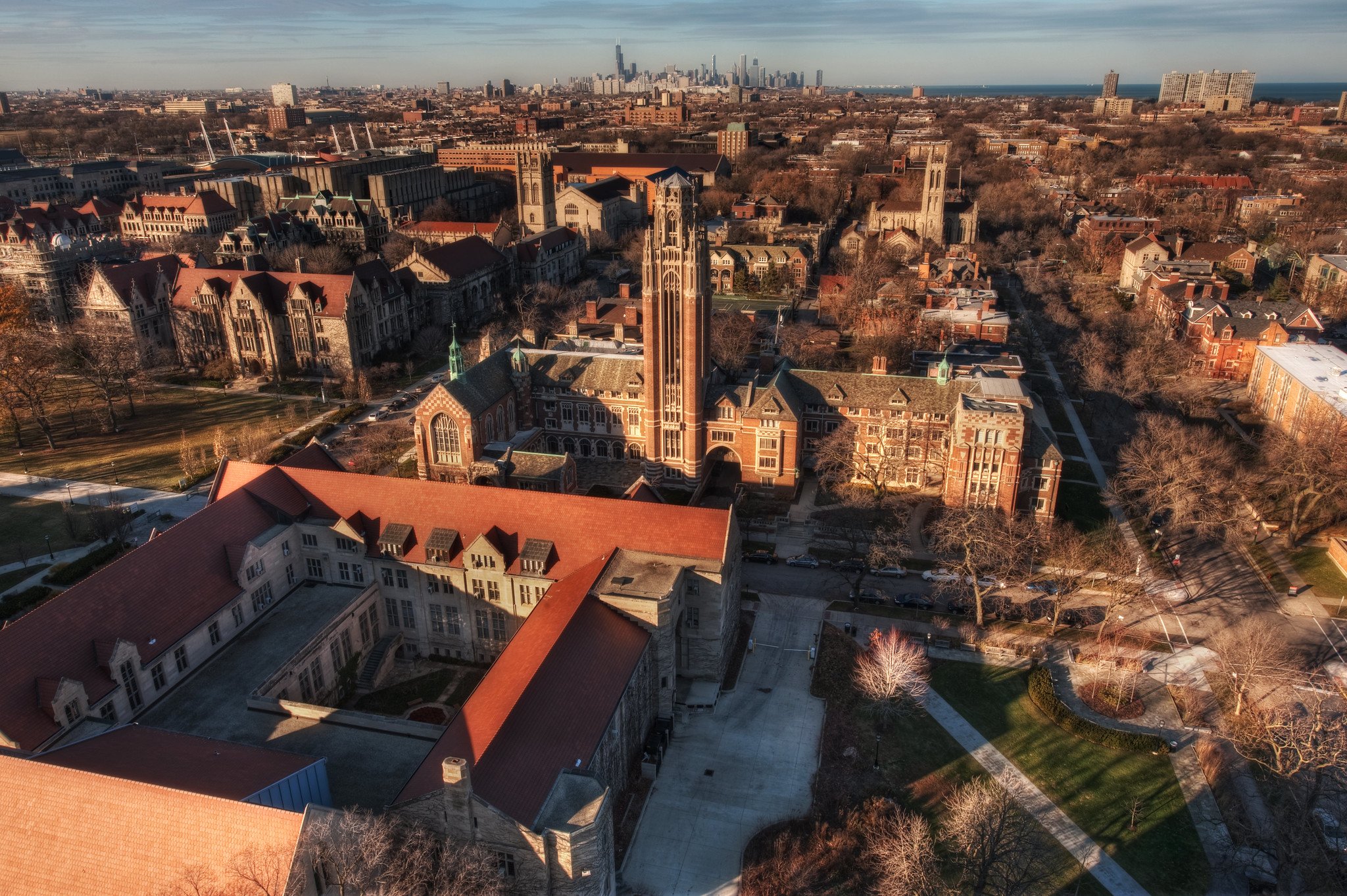
UNIVERSITY OF CHICAGO
FREE FOR ALL ADMITTED STUDENTS
2026 WORKSHOP THEMES
The Good
Life
What does it mean to live well, either personally or politically? Recent conversations about the “loneliness crisis,” doomerism, mental health, and the renewed appeal of religion for Gen Z all point to a widespread disorientation about how to achieve conviction in both personal and social life. At the same time, amid the two elections of Donald Trump and the decline of trust in liberal institutions, nonliberal movements on both the left and the right have arisen that call for a renewed attention to the “common good,” challenging long-standing assumptions about freedom, pluralism, and the relationship between the state and the individual. Some liberal thinkers have responded by proposing a society of technological and material “abundance,” but would such a society address the deeper problems of meaning that our current cultural situation seems to produce? In conversation with the philosophers and artists who have provided the most compelling answers to such questions, participants in this workshop will consider what it means to live meaningfully today and what kinds of communities and commitments such a life entails.
INSTRUCTORS:
ANASTASIA BERG & JOSEPH KEEGIN
Questions Concerning Technology
“Technology is therefore no mere means. Technology is a way of revealing.” So writes Martin Heidegger in his famous midcentury essay, “The Question Concerning Technology,” in what can serve as a starting point for our own “questioning” in this workshop. Today’s public conversation is filled with debates about the promises and perils of artificial intelligence, social media, and algorithmic culture. But such debates cannot meaningfully advance without recourse to discussions that run throughout the history of art and philosophy, about human nature, democracy, and the role of machines in our vision of the ideal society. Closer to home, these conversations also touch on deep questions about how we wish to relate to our loved ones, raise our children, and remain “connected” to the world around us. Technology, once viewed as a key to social and economic progress, is viewed by many younger people today as an impediment to meaningful relationships and perhaps even a meaningful life. What does this “reveal” about the nature of modern technology, and about ourselves?
INSTRUCTORS:
JON BASKIN & DAN SILVER
In both of these workshops we will explore the relationship between our topics together and with the help of compelling thinkers from past and present, facilitating the only kind of robust, living conversation adequate to meeting the challenges that these subjects have always raised.

Course structure
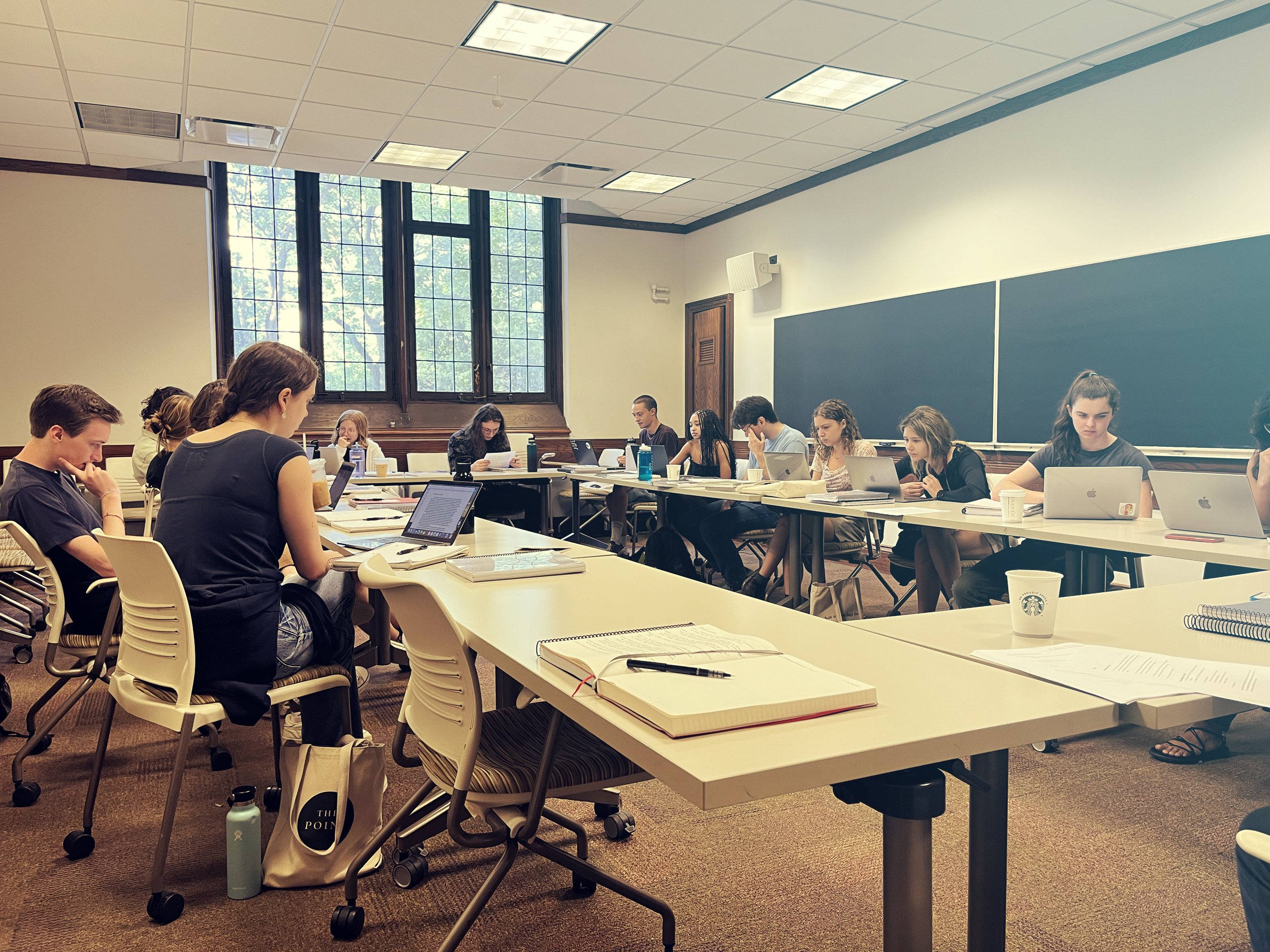
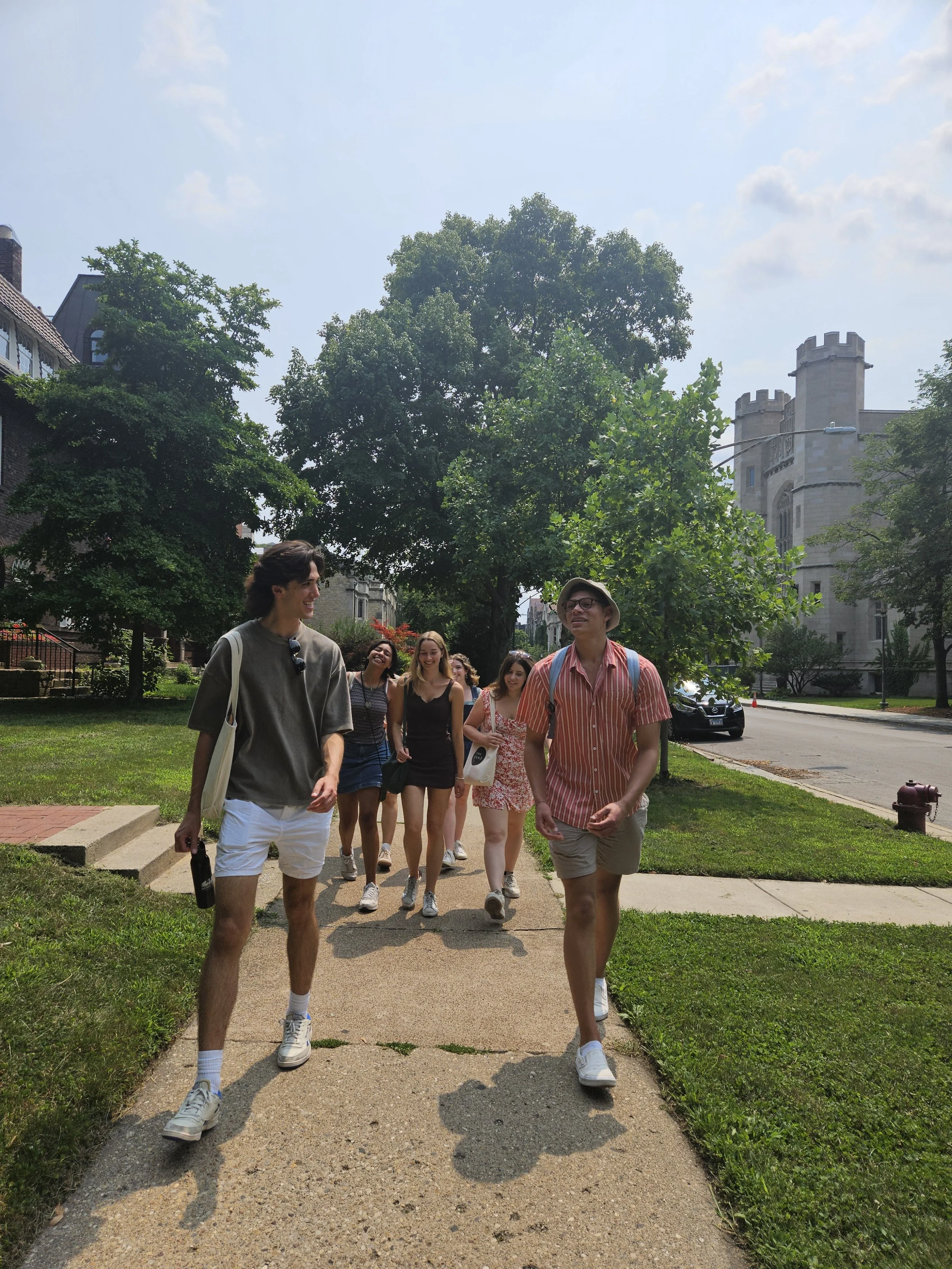
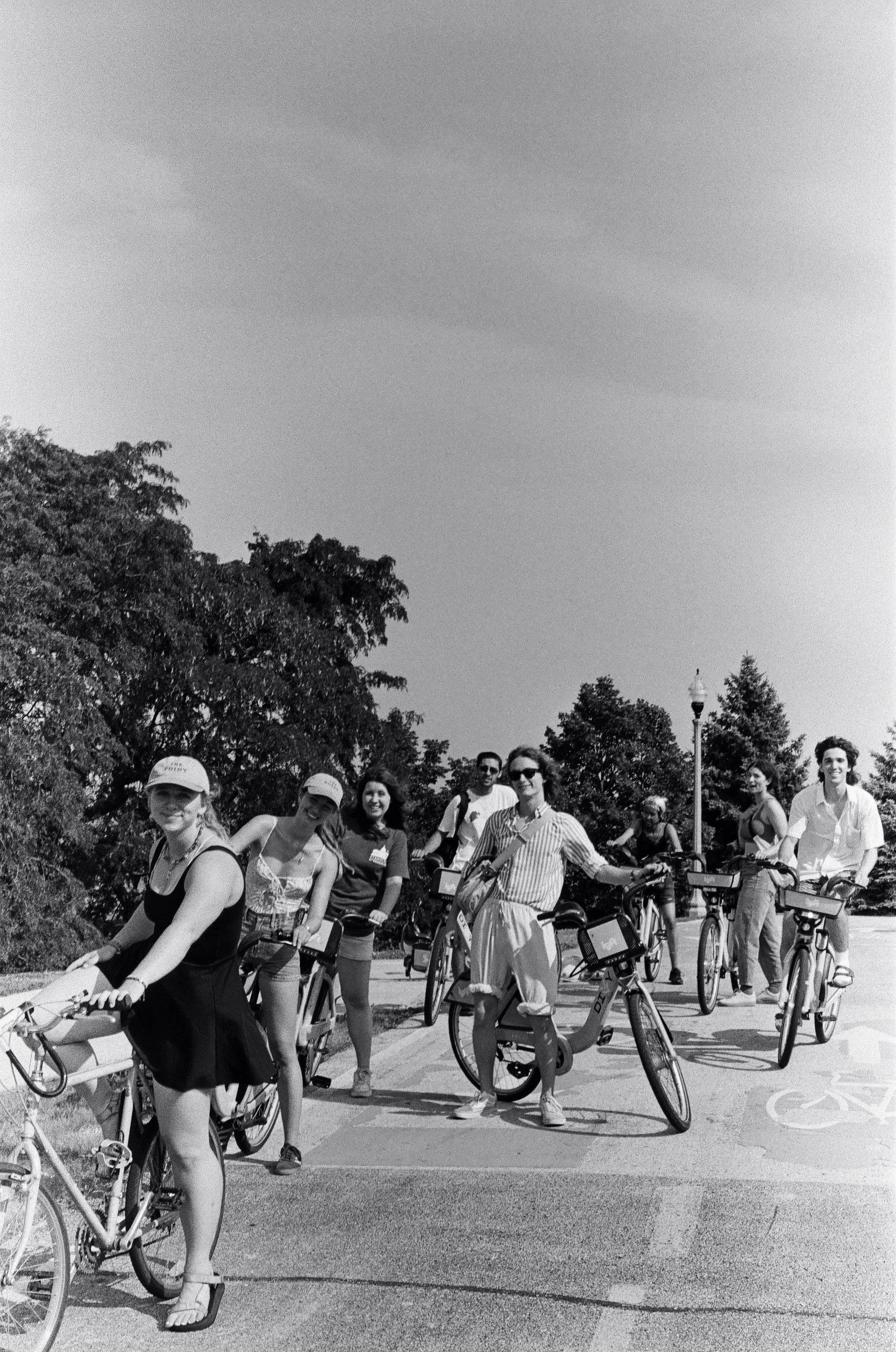
Throughout the workshop’s two weeks, students will learn how to apply the insights of foundational works of philosophy, history, and literature to illuminate contemporary challenges. At the same time, they will practice the habits of thought and expression that will allow them to contribute meaningfully and effectively to public discourse. Seminars will include guided readings, discussions, and writing exercises. The program will also include film screenings, trips to cultural institutions, and excursions around Chicago to explore the diversity of settings in which these questions are raised.
WORKSHOP INSTRUCTORS
-
Jon Baskin is a founding editor of The Point and former deputy editor of Harper’s. He served as associate director of the Creative Publishing and Cultural Journalism program at the New School for six years. His essays and criticism have appeared in the New Yorker, the New York Times, the New York Review of Books, the Nation, the Chronicle Review and elsewhere.
-
Daniel Silver is Professor of Sociology at the University of Toronto Scarborough. His research areas are social theory, cities, culture, and cultural policy. He is co-editor of The Politics of Urban Cultural Policy and author of Scenescapes: How Qualities of Place Shape Social Life. A graduate of the Committee on Social Thought, his current academic research examines the role of arts and culture in city politics, economics, and residential patterns; the evolution of urban ideas, forms, and practices, the enduring political orders of cities; and variations in how sociological theory is taught. His public writing has appeared in The Point and on his Substack, Silver Linings.
QUESTIONS CONCERNING TECHNOLOGY
-
Anastasia Berg is a writer, critic and editor at The Point. She is an assistant professor of philosophy at UC Irvine. Her book, What Are Children For?, co-authored with Rachel Wiseman, is coming out with St. Martin’s Press in June. She led the first summer workshop in 2023 with Jon Baskin.
-
Joseph Keegin is a contributing editor at The Point and a graduate student in philosophy at Tulane. His writing has appeared in The Point, the Chronicle of Higher Education, Hedgehog Review, Aeon, First Things and elsewhere.
THE GOOD LIFE
The goal is not just to arrive at the answers for oneself, but also to consider what it means to think with one another—and with the “public”—in a pluralistic society.
Students are housed on campus in University of Chicago dorms for the duration of the two-week workshop.
Tuition is free. Room & board will be provided at no cost to the students. Travel to and from the workshop (within North America) will be covered.
What our students say about the workshop…
“In one of my writing reflections during the first week, I wrote: ‘this feeling of being part of academic dialogue is as new as learning to walk for the first time.’”
“The attempt to think instead of merely being clever was amazing. I felt challenged at every end.”
“Despite studying a variety of disciplines in college, this workshop is the most intellectually stimulating experience I’ve had.”
“I learned more than I have in most full-year classes and was exposed to a type of thinking and learning I didn’t know existed. If the point, as I understand it, was for us to rethink our relationship to education, the public, and the future, it was achieved.”
“This was the best, most intellectually diverse (and kind) group I’ve ever spent time in.”